

What happens next depends on the property type, how active the infestation is, and whether there are risks to children, pets or wildlife.
What do they look for during the first inspection?
Professional rodent removal Sydney services start by confirming which rodent is present, usually rats or mice, and how active the problem is. They check roof voids, subfloors, garages, kitchens, laundries and garden edges, then map likely travel routes.
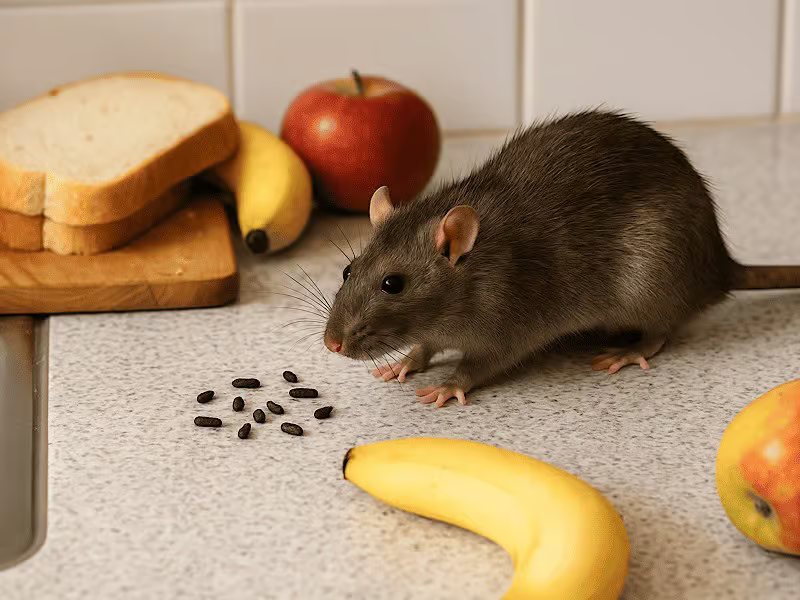
They also look for entry points, rub marks, droppings, gnawing, nesting material and greasy smear marks along walls. This inspection shapes the whole treatment plan, including where devices can be placed safely.
How do they identify where rodents are getting in?
They focus on the “easy access” gaps most people miss. Common entry points include broken air vents, gaps under doors, pipe penetrations, weep holes, roof tiles, damaged eaves and poorly sealed garage corners.
In many Sydney homes, they will also check for overhanging branches and cluttered storage areas that let rodents move unseen. The goal is to find the primary entry points, not just the obvious ones.
What treatment methods do they usually use?
They typically combine methods because rodents adapt quickly. Traps are often used where fast results are needed or where baiting is unsuitable, such as inside kitchens or near food storage.
Baiting may be used in locked, tamper-resistant stations placed in strategic locations. In roof spaces or subfloors, they may use a different approach again, depending on access and safety. The plan is usually designed to reduce risk while still ending the infestation.
Where do they place traps and bait stations?
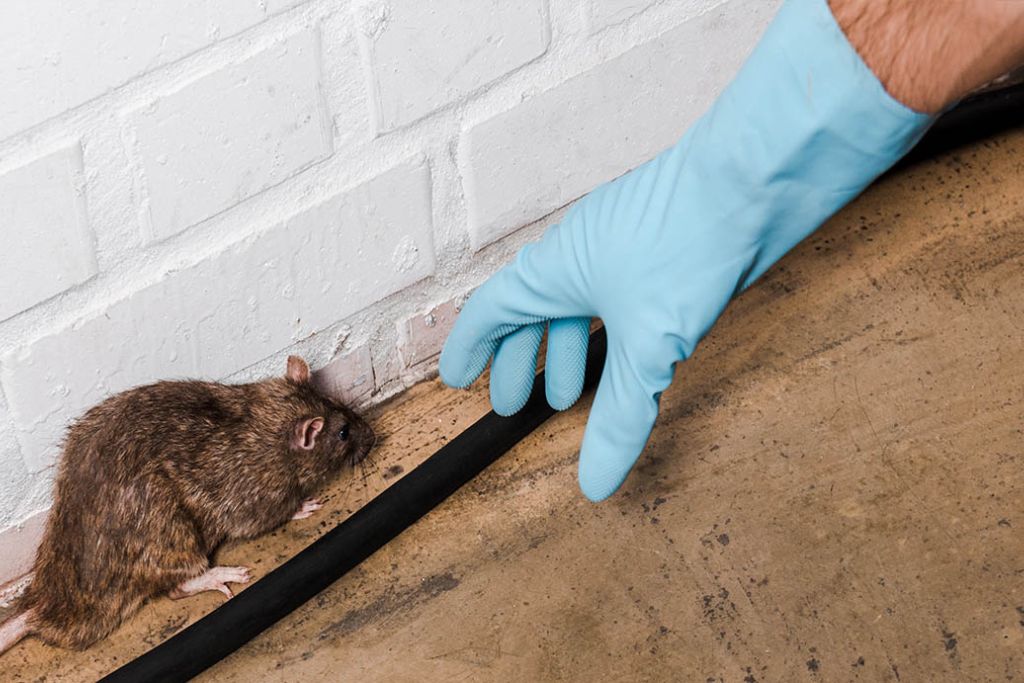
They place devices along runways, not in the middle of open areas. Rodents prefer edges, tight spaces and sheltered paths, so traps may go behind appliances, along skirting boards, inside ceiling voids, or near entry points.
Bait stations are positioned to protect non-target animals and reduce accidental contact. They should not be scattered randomly, as poor placement can slow results and increase the chance rodents avoid the area.
How do they handle safety around children, pets and wildlife?
They should discuss risk upfront and choose devices accordingly. In homes with pets or children, they generally rely on enclosed bait stations, careful positioning, and sometimes trapping-only programmes.
They may also avoid certain products or placement areas if there is a known risk to local wildlife. Good providers explain what is being used, where it is placed, and what residents should not touch.
How long does treatment take to work?
Some activity changes can happen within days, but full resolution can take longer. They usually aim to reduce sightings and noise quickly, then remove the remaining rodents through follow-up and monitoring.
Timeframes vary based on access, the size of the infestation, nearby food sources and how many entry points exist. If proofing is delayed, results can stall because rodents simply keep re-entering.
What follow-up visits and monitoring should they do?
Most professional treatments include at least one follow-up to assess progress and adjust the plan. They may rebait, relocate stations, add traps, or focus on a newly discovered access point.
Monitoring also helps confirm when activity has stopped, rather than assuming it has. They should provide clear guidance on what residents should watch for between visits, such as fresh droppings, new gnaw marks or renewed ceiling noise.
What is “proofing” and when do they do it?
Proofing means sealing entry points and reducing access to shelter and food. They may recommend door sweeps, vent repairs, mesh installation, sealing gaps around pipes, and fixing broken eaves or tiles.
Some providers do proofing as part of the service, while others provide a report for a handyman or roofer. It is usually most effective when done early, because treatment without proofing can turn into an endless cycle.
What happens if there is a dead rodent in the roof or walls?
They will often warn that odour can occur, especially with roof void activity. If a carcass is accessible, they may remove it, but rodents can die in voids that are hard to reach.
In those cases, they typically advise ventilation where possible and may recommend deodorising steps. A good plan tries to reduce this risk, but it cannot always be eliminated in complex roof spaces.
What should they tell residents to do during and after treatment?
They usually ask residents to remove easy food sources and reduce clutter that gives rodents shelter. That can include securing pet food, using sealed containers for pantry goods, cleaning crumbs, and keeping bins tightly closed.
They may also advise trimming vegetation away from the roofline and avoiding DIY baiting during treatment, because it can interfere with placement strategy. After treatment, they should provide prevention tips and signs to watch for so issues are caught early.
FAQs (Frequently Asked Questions)
What does the initial rodent inspection in Sydney involve?
During the first inspection, professionals identify which rodents are present, typically rats or mice, and assess the infestation’s activity level. They examine areas like roof voids, subfloors, garages, kitchens, laundries, and garden edges to map rodent travel routes and look for signs such as entry points, droppings, gnawing marks, nesting material, and greasy smears. This thorough assessment shapes the entire treatment plan.
How do experts determine where rodents are entering a property?
Rodent entry is often through overlooked ‘easy access’ gaps such as broken air vents, gaps under doors, pipe penetrations, weep holes, damaged roof tiles or eaves, and poorly sealed garage corners. Inspectors also check for overhanging branches and cluttered storage that allow rodents to move unseen. The focus is on identifying primary entry points to effectively seal them off.
What treatment methods are commonly used for rodent removal in Sydney homes?
A combination of methods is typically employed to outsmart adaptable rodents. Trapping is used for quick results or where baiting is unsuitable, like inside kitchens. Baiting involves tamper-resistant stations placed strategically to protect non-target animals. In roof spaces or subfloors, different approaches may be applied depending on access and safety considerations. The goal is safe and effective eradication.
Where are traps and bait stations usually placed during treatment?
Traps and bait stations are positioned along rodent runways—edges, tight spaces, behind appliances, along skirting boards, inside ceiling voids or near entry points—since rodents prefer these sheltered paths. Proper placement protects non-target animals and maximises effectiveness; random scattering can delay results and allow rodents to avoid treated areas.
How is safety ensured around children, pets and local wildlife during rodent removal?
Safety measures include upfront discussions about risks with residents. In homes with children or pets, enclosed bait stations and careful device positioning are used. Sometimes trapping-only programmes are implemented. Certain products or placements may be avoided if they pose risks to wildlife. Providers clearly explain what treatments are used and advise residents on what not to touch.
Why is proofing important in rodent control and when should it be done?
Proofing involves sealing entry points and reducing shelter or food availability by fixing door sweeps, vents, gaps around pipes, broken eaves or tiles. It is most effective when done early in the treatment process because without proofing rodents can re-enter repeatedly causing ongoing infestations. Some providers include proofing in their service; others offer a report for repair by handymen or roofers.
See Also: Rodent exterminator Sydney vs traps: which is more effective?