
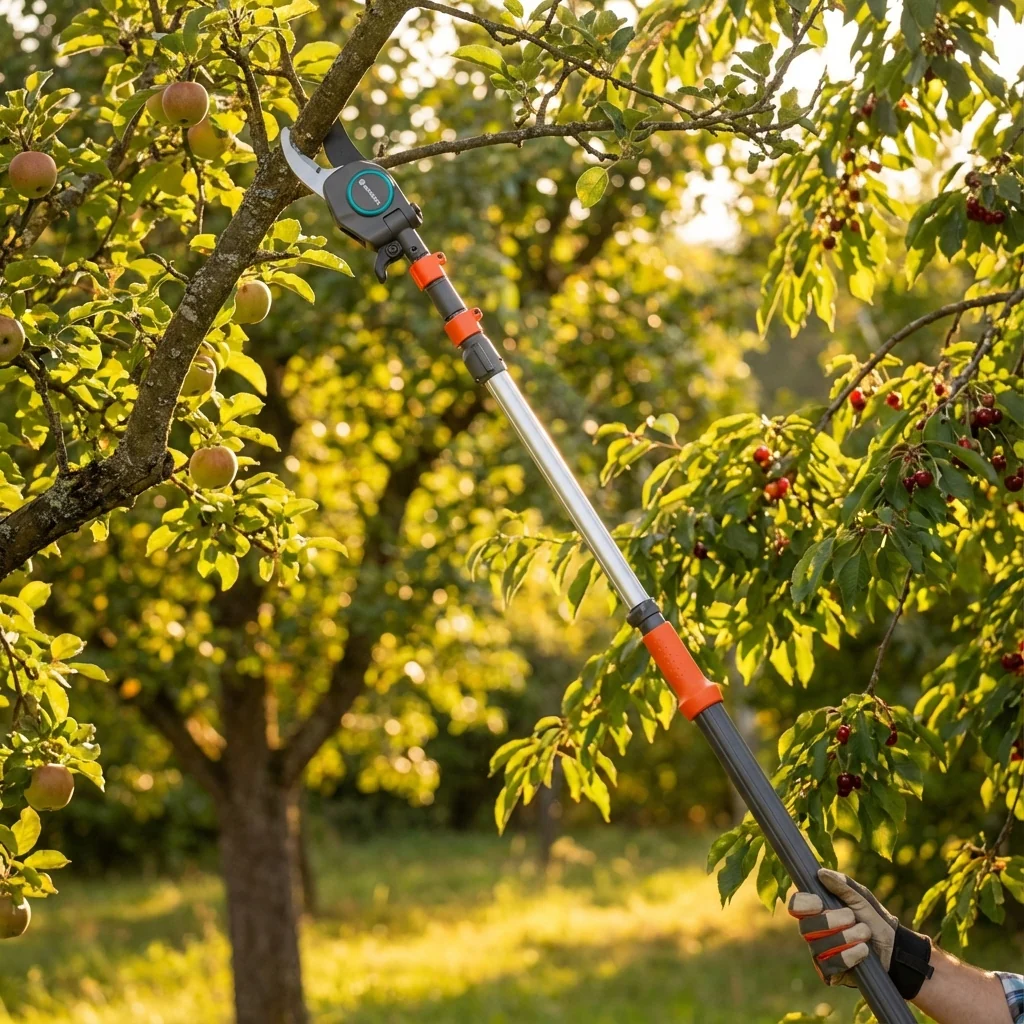
This article looks at what separates a careful inspection from a quick walk-through, using Sydney tree pruning as the practical lens. When inspectors and owners take tree risks seriously, they usually catch issues earlier, plan maintenance properly, and avoid the “surprise” storm damage that insurers and tradies see every season across Greater Sydney.
What does a thorough property inspection actually include?
A thorough inspection checks the whole property system, not just individual items. They look at how drainage, structures, vegetation, and access points interact, including the need for services like best Sydney tree pruning, because one problem often causes another.
In Sydney homes, that means paying attention to tree canopies over roofs, debris patterns in gutters, damp areas near retaining walls, and roots that change soil moisture. It also means noting what maintenance has been deferred and what is likely to fail next, not only what is already broken.
What does a rushed property inspection usually miss?
A rushed inspection tends to focus on what is obvious at eye level and easy to photograph. They may skip boundary lines, ignore slope and runoff direction, and avoid tight access areas like side passages and behind sheds.
In practice, rushed inspections often miss early tree-related signs, such as fine branch drop onto paths, minor roof abrasion, or repeated leaf litter blocking downpipes. Those “small” clues are frequently the lead-up to urgent callouts that could have been prevented with timely Sydney tree pruning.
Why is Sydney tree pruning a useful way to compare thorough versus rushed inspections?
Trees create visible, measurable risk across a property, and the clues are usually there if someone bothers to look. That makes Sydney tree pruning a clear test: careful inspectors notice patterns and priorities, while rushed ones treat vegetation as “cosmetic.”
Sydney’s mix of coastal winds, summer storms, and dense suburban blocks also means tree issues are rarely isolated. Overhang, shade, and root competition affect roofs, paving, gardens, and drainage at the same time, so tree observations quickly reveal how deep an inspection really goes.
What should they look for around roofs, gutters, and downpipes?
They should check for canopy spread over rooflines, branches touching tiles, and leaf litter concentrated in valleys and behind chimneys. They also note the likely litter type, because some species clog gutters faster and hold moisture longer.
A thorough inspector will look for rust staining, overflowing marks, and damp fascia boards, then link those signs back to maintenance actions. Often, the simplest fix is scheduled Sydney tree pruning paired with gutter cleaning before storm season hits.
How do trees signal hidden drainage and moisture problems?
Trees can hide drainage issues by masking puddling with leaf litter or by drawing moisture unevenly from soil. They also contribute to blocked pits, slow downpipes, and garden beds that funnel water toward structures.
They should look for algae on paths, soft soil near footings, and water lines on brickwork after rain. When these signs align with dense canopy cover, targeted Sydney tree pruning can improve sunlight, airflow, and drying, while drainage fixes address the underlying flow problems.
What separates a careful tree assessment from a quick glance?
A careful assessment identifies tree species, structure, canopy weight distribution, and proximity to targets like roofs, powerlines, and neighbour fences. They look for deadwood, weak unions, previous poor cuts, and signs of pest stress.
A quick glance often stops at “tree present” without assessing consequence and likelihood. In Sydney’s tighter lots, that difference matters because even a moderate limb drop can damage tiles, cars, pergolas, or glass, which is why Sydney tree pruning is best planned from evidence, not assumptions.
How should they assess risk after storms or high winds in Sydney?
They should look for fresh cracks in limb unions, lifted root plates, new lean, and torn bark where branches have twisted. They also check for sudden canopy imbalance after partial failure, because that can increase leverage on remaining limbs.
A thorough approach includes immediate hazard controls and a staged plan for restoration pruning. In many cases, timely Sydney tree pruning after wind events reduces the chance of a second failure during the next front that moves through the Sydney Basin.
What role do boundaries and neighbour impacts play?
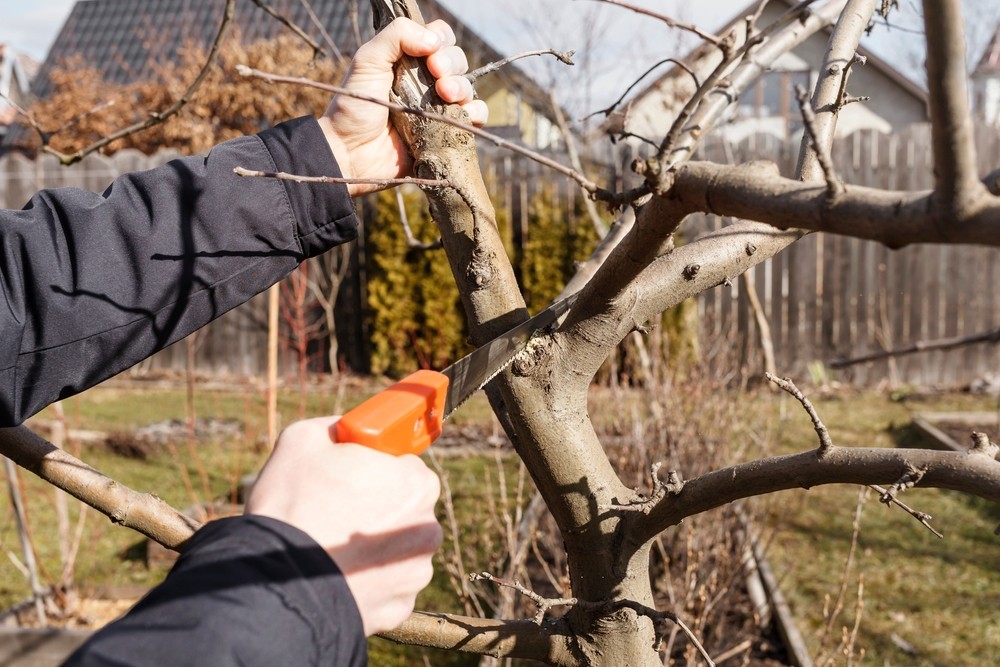
They should inspect tree spread across boundaries, note overhang and debris fall, and consider access for safe work. They also document fence pressure, branch rub, and root effects near shared retaining walls while understanding factors that may influence the Stump Grinding Cost for Property Buyers during future property maintenance planning.
A thorough inspection flags likely neighbour disputes before they escalate and recommends practical next steps. Where overhang creates clear risk, documented Sydney tree pruning can support polite, evidence-based conversations rather than reactive arguments after damage occurs.
How do powerlines and access constraints change what “thorough” looks like?
They should check for vegetation near service lines, private lines, and street-side assets, then consider who is legally able to do the work. Access matters too: narrow side setbacks, steep yards, and fragile landscaping affect the method and cost.
A rushed inspection might simply note “trim branches” without considering permits, traffic control, or elevated work platforms. A thorough inspection frames safe, compliant options and timelines for Sydney tree pruning, especially in suburbs with mature street trees and tight driveways.
What paperwork and evidence should they expect from a thorough inspection?
They should expect clear photos, annotated notes, and a prioritised list that separates urgent hazards from maintenance. For tree items, good documentation includes location, direction of lean, clearance estimates, and what targets are at risk.
If pruning is recommended, the report should specify outcomes, not vague instructions. For example, “reduce end weight over roof by X” is more useful than “trim tree,” and it supports quoting and scheduling Sydney tree pruning with fewer misunderstandings.
How should they prioritise pruning versus removal?
They should prioritise pruning when structure is sound and risk can be reduced through clearance, deadwood removal, and canopy balance. Removal usually makes sense when the tree is declining, structurally compromised, or placed where repeated conflicts are unavoidable.
A thorough inspection explains the reasoning and the trade-offs, including future maintenance cycles. In many Sydney yards, regular Sydney tree pruning is the middle ground that protects assets while keeping canopy and shade benefits.
What does “rushed” look like when it comes to quotes and recommendations?
Rushed recommendations are often generic, not site-specific, and leave owners guessing what to do first. They might bundle everything into one big, expensive suggestion, or they might downplay obvious hazards to keep the report short.
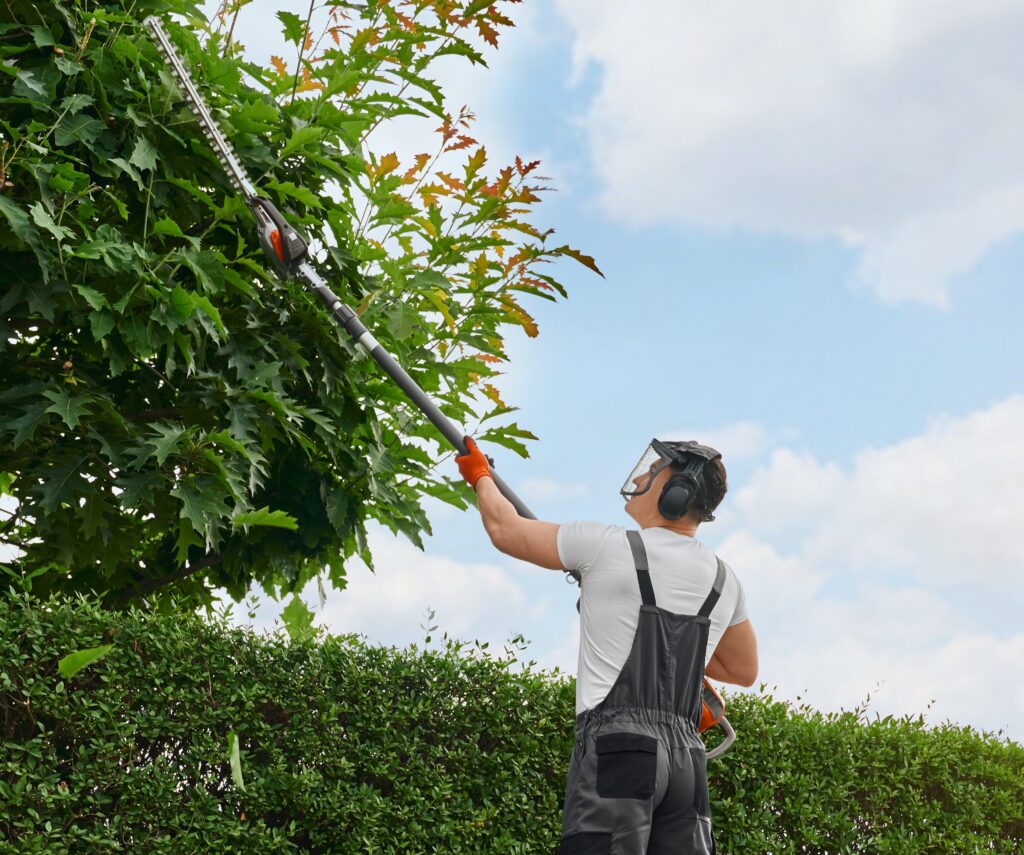
A thorough approach breaks work into stages and aligns each stage with risk. They might recommend immediate Sydney tree pruning to reduce hazard, then a later review after regrowth, which is more realistic for busy households and strata managers.
How can they use Sydney tree pruning to plan ongoing maintenance, not just fixes?
They can treat pruning as a schedule tied to growth rates, storm seasons, and property goals like solar access and gutter performance. A thorough inspection sets a baseline, then suggests review intervals that match the tree type and site exposure.
This approach turns reactive callouts into predictable maintenance. With planned Sydney tree pruning, they can reduce emergency costs, protect roofs and fences, and keep outdoor areas usable through the warmer months.
What is the simplest checklist that separates thorough from rushed?
A thorough inspection consistently answers: what is the hazard, what is the evidence, what is the consequence, and what is the priority. It also checks hard-to-see areas, documents properly, and links causes to actions.
A rushed inspection tends to list symptoms without context and skips the “why.” When trees are involved, the difference shows up fast, because Sydney tree pruning decisions need clear targets, safe access planning, and timing that fits Sydney’s weather and property density.
<script type="application/ld+json">
{
  "@context": "https://schema.org",
  "@type": "BlogPosting",
  "mainEntityOfPage": {
    "@type": "WebPage",
    "@id": "https://billpearnmasonry.com/what-separates-a-thorough-property-inspection-from-a-rushed-one-a-look-at-sydney-tree-pruning/"
  },
  "headline": "What Separates a Thorough Property Inspection From a Rushed One: A Look at Sydney Tree Pruning",
  "image": [
    "https://billpearnmasonry.com/wp-content/uploads/2026/07/GARDENA-Telescopic-Tree-Pruning-Lopper.webp",
    "https://billpearnmasonry.com/wp-content/uploads/2026/07/Tree-Pruning-1-1024x855-1.jpeg",
    "https://billpearnmasonry.com/wp-content/uploads/2026/07/shutterstock_2128018412.jpg"
  ],
  "author": {
    "@type": "",
    "name": "Elijah Wadham",
    "url": "https://billpearnmasonry.com/author/admin/"
  },
  "publisher": {
    "@type": "Organization",
    "name": "Bill PM Buyer Agency",
    "logo": {
      "@type": "ImageObject",
      "url": "https://billpearnmasonry.com/wp-content/uploads/2024/01/logo-bill.png"
    }
  },
  "datePublished": ""
}
</script>