
That is where green waste removal becomes a surprisingly useful part of due diligence. It can reveal hidden maintenance costs, local compliance issues, and even access problems that affect future renovations or landscaping plans.
What does green waste removal actually cover when buying a property?
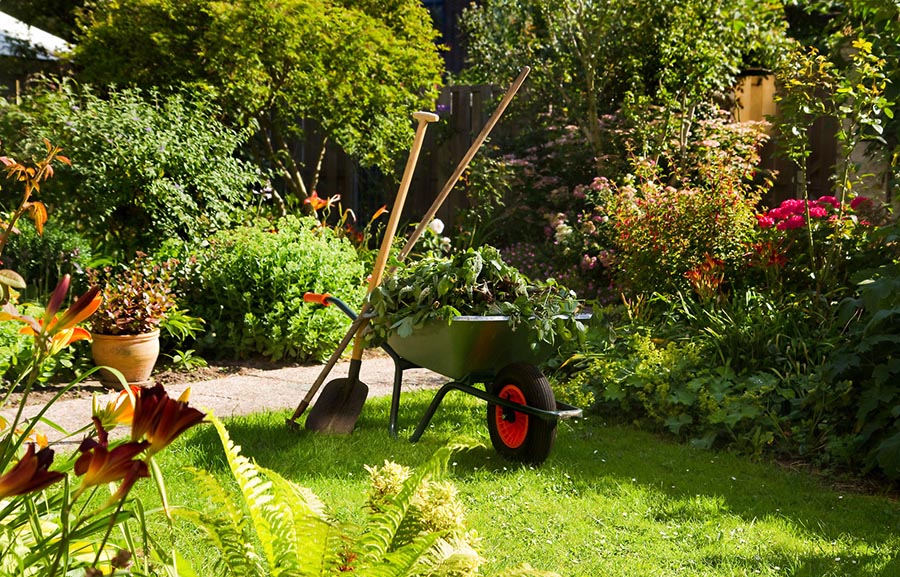
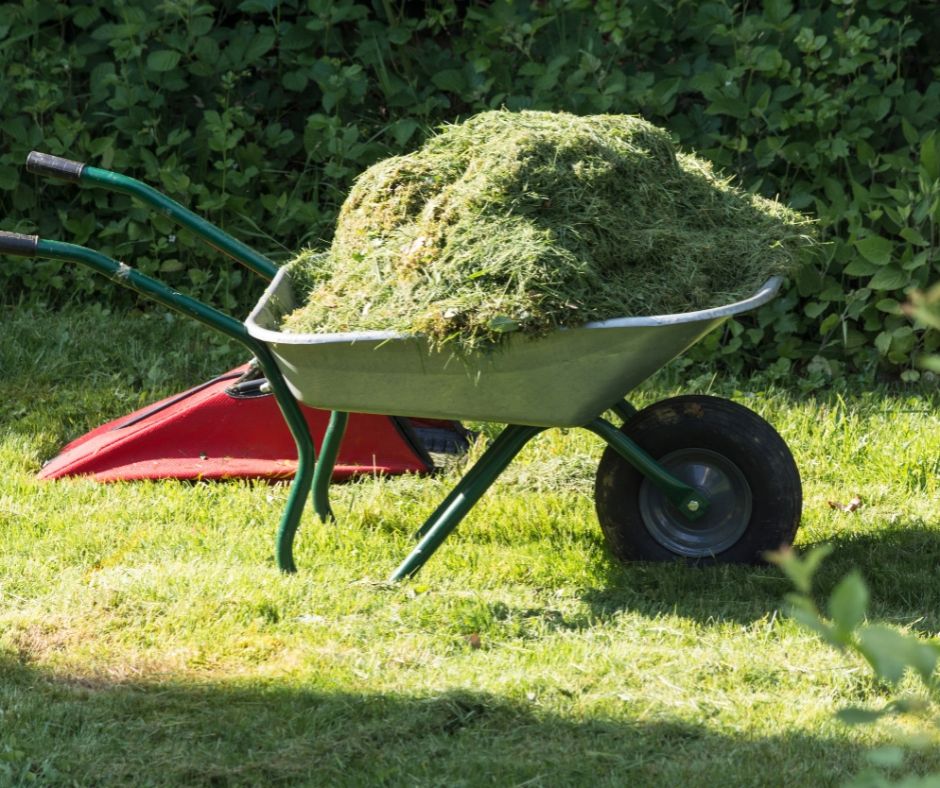
It usually covers the collection and disposal of garden organics such as branches, prunings, lawn clippings, palm fronds, weeds, and light shrub material. In a pre-purchase context, green waste removal is less about tidying the garden and more about exposing what is underneath, making it easier to identify potential issues before buying a property.
Once garden debris is cleared, they can see retaining walls, drainage lines, termite risk zones near structures, and the true slope and usability of the yard.
Why should buyers consider green waste removal during due diligence?
It helps them assess risk and cost before settlement, not after. Green waste removal can uncover neglected garden beds, blocked stormwater grates, hidden rubbish, and overgrown trees that may need arborist work.
In many Australian suburbs, vegetation can quickly obscure fences, easements, and boundary lines. Clearing it early helps buyers confirm what they are actually purchasing.
When is the right time to schedule green waste removal in the buying process?
The most practical time is after a building and pest inspection is booked but before final contract decisions are locked in. If the property is vacant, deceased estate, tenanted with limited access, or clearly overgrown, green waste removal can be scheduled ahead of trades who need visibility.
They can also plan it immediately after settlement if access is restricted, but that reduces its value as a due diligence tool.
What red flags can green waste removal reveal on an Australian property?
It can reveal problems that are easy to miss during a standard walk through. Green waste removal often exposes termite conducive conditions like timber stored against walls, heavy mulch bridges, or damp garden edges near subfloors.
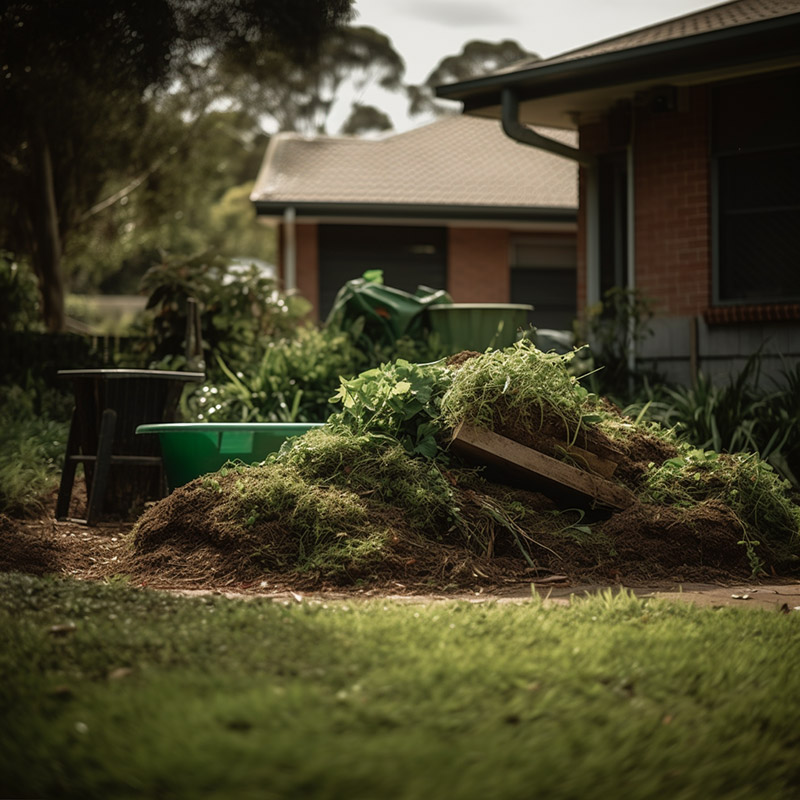
It can also bring to light collapsed retaining walls, damaged fences, overflowing green bins, illegal dumping in back corners, and persistent weed infestations like lantana in bushy blocks.
How does green waste removal help with boundary and access checks?
Overgrowth commonly hides fence condition, gate alignment, and access width for equipment. After green waste removal, they can measure side access for trailers, excavators, or future granny flat works where councils require minimum clearances.
It also makes it easier to spot encroachments, shared fences that are failing, and vegetation that may be growing across boundaries, which can become a neighbour dispute later.
Can green waste removal impact building and pest inspection outcomes?
It can, because inspectors need line of sight. If garden waste is piled against a wall or under a deck, a pest inspector may not be able to view critical areas. green waste removal can make subfloor vents, weepholes, and drainage points visible.
That improves the quality of the inspection report and reduces the chance of “inaccessible area” notes that leave buyers guessing.
What council rules and bin services should buyers check in Australia?
They should check the local council’s green waste service, accepted materials, and collection frequency. Many councils offer kerbside green bins, booked green waste pick ups, or drop off vouchers, but rules differ by LGA.
If the property regularly needs green waste removal beyond bin capacity, buyers should factor in private services. They should also confirm whether a strata scheme controls garden waste for townhouses or units.
How should buyers estimate ongoing garden maintenance costs?
They can start by looking at tree density, slope, and how much green material the block will generate each season. For a property buyer comparing wood chips vs mulch, understanding the amount of green waste a property produces can also help estimate ongoing landscaping and maintenance needs. A leafy yard in Sydney’s Inner West, Brisbane’s bayside, or the Dandenong Ranges can produce far more volume than a newer estate block in Perth’s outer suburbs.
If the yard is already overgrown, green waste removal costs may be the first of many maintenance steps, including pruning, stump grinding, and ongoing mowing.
Should green waste removal be used as a negotiation point?
Yes, if it reveals genuine cost that was not obvious at inspection. If green waste removal exposes significant piles, unsafe branches, or dumping, buyers can request a price adjustment or a condition requiring the seller to clear it before settlement.
They can also use the evidence to refine their offer, particularly when the property is marketed as “low maintenance” but the garden tells a different story.
Who typically organises green waste removal before settlement?
It depends on access and the contract. In many cases, the seller or agent will not approve major changes pre settlement, especially if it alters presentation. If buyers want it done early, they usually need written permission and a clear scope.
More commonly, they arrange green waste removal immediately after settlement, then use what is revealed to prioritise repairs and landscaping. If access is granted during the cooling off period, they should keep it minimal and focused on visibility rather than aesthetics.
What should buyers ask a green waste removal provider before booking?
They should ask what materials are accepted, how volume is measured, and whether the provider is taking it to an approved facility. They should confirm if the quote includes loading labour, trailer access requirements, and disposal fees.
For due diligence purposes, they should also ask whether the team will separate hidden general rubbish if discovered, because mixed waste can change pricing and legality. A clear, documented scope for green waste removal prevents surprises.
How can green waste removal support renovation and landscaping planning?
It gives them a clean baseline. After green waste removal, they can map drainage, plan garden beds, measure for decks or sheds, and decide whether trees need thinning for light or solar.
This is especially helpful for buyers planning immediate work after settlement, where trades need clear access and safe footing. It also helps them avoid paying for design plans that do not match the yard’s true condition.
What is a simple due diligence checklist that includes green waste removal?
They can use a short checklist to decide whether it is worth doing early:
- Is the yard visibly overgrown or full of piled organics?
- Are fences, retaining walls, and drainage points obscured?
- Are there trees close to the house, roof, or power lines?
- Did the building and pest report note inaccessible external areas?
- Will they need side access for renovations or landscaping?
- Does the council green bin service seem insufficient for the block?
- Is there evidence of dumping in back corners or along easements?
If they answer yes to several items, green waste removal is likely a practical step rather than an optional tidy up.
How should buyers balance green waste removal with other due diligence steps?
They should treat it as a support act, not a replacement. Building and pest inspections, contract review, strata searches, flood and bushfire overlays, and finance checks still do the heavy lifting.
But green waste removal fits neatly between “looks fine” and “is fine.” It helps them confirm whether the outdoor areas match the story told in the listing, and it can prevent early ownership surprises that quickly turn a good purchase into an expensive catch up project.
What is the key takeaway for Australian property buyers?
Outdoor condition is often the clearest signal of how a property has been cared for. green waste removal can expose risks, improve inspection visibility, clarify access and boundaries, and help buyers budget realistically.
If they want fewer unknowns before signing, they should consider where garden waste is hiding problems, and whether clearing it is the simplest way to see the property as it really is.
<script type="application/ld+json">
{
  "@context": "https://schema.org",
  "@type": "BlogPosting",
  "mainEntityOfPage": {
    "@type": "WebPage",
    "@id": "https://billpearnmasonry.com/buying-a-property-heres-where-green-waste-removal-fits-into-your-due-diligence/"
  },
  "headline": "Buying a Property? Here's Where Green Waste Removal Fits Into Your Due Diligence",
  "image": [
    "https://billpearnmasonry.com/wp-content/uploads/2026/07/Green-waste-disposal.jpg",
    "https://billpearnmasonry.com/wp-content/uploads/2026/07/Lawn-Waste-in-Frankston.jpg",
    "https://billpearnmasonry.com/wp-content/uploads/2026/07/Garden-Waste-Removal1-1.jpg"
  ],
  "author": {
    "@type": "",
    "name": "Elijah Wadham",
    "url": "https://billpearnmasonry.com/author/admin/"
  },
  "publisher": {
    "@type": "Organization",
    "name": "Bill PM Buyer Agency",
    "logo": {
      "@type": "ImageObject",
      "url": "https://billpearnmasonry.com/wp-content/uploads/2024/01/logo-bill.png"
    }
  },
  "datePublished": ""
}
</script>