
This checklist focuses on what buyers can see at inspections, what they should ask, and what it may mean for their budget after settlement. It is written for typical suburban blocks, townhouses, and regional homes across Australia.
What is the real difference in wood chips vs mulch?
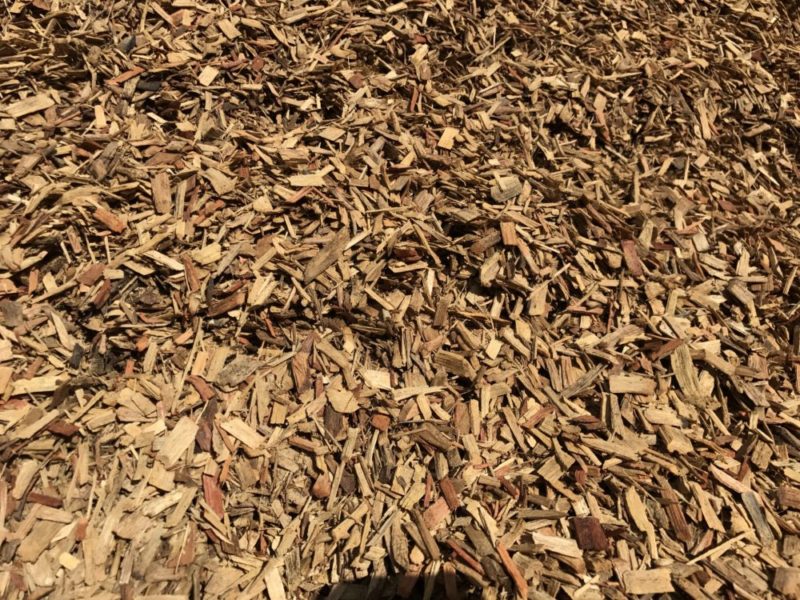
In simple terms, wood chips are usually chunkier pieces of timber, while mulch is a broader category that can include wood-based products and mixed organic materials. When comparing wood chips vs mulch, the biggest differences come down to how quickly each material breaks down, how it looks over time, and how often it needs topping up.
At open homes, they can treat it as a signal of the seller’s garden style. It may also hint at whether the landscape is low effort or deceptively high maintenance.
Why should a buyer care about wood chips vs mulch at inspection time?
Because ground cover affects weeds, moisture, plant health, and ongoing spend, and those costs land on the new owner. If a property looks immaculate thanks to fresh coverage, buyers should think about what happens in six to twelve months.
When buyers assess wood chips vs mulch, they are really assessing the garden’s future workload. It can also flag drainage or soil issues that the seller has temporarily disguised.
What should they look for on the surface during a walkthrough?
They should check depth, evenness, and whether soil is visible in patches. Thin coverage often means weeds will return quickly, while overly thick coverage can smother some plants and trap moisture against stems.
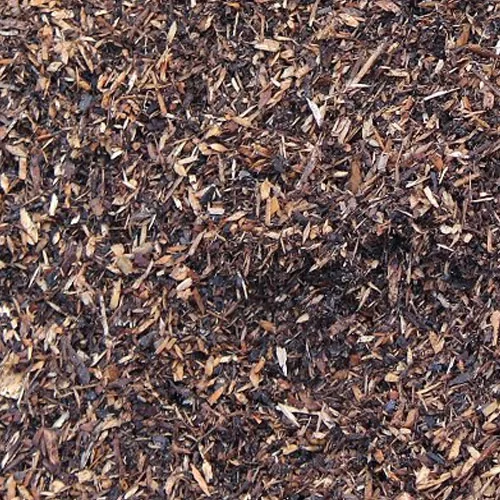
In a wood chips vs mulch comparison, chunky chips tend to sit in place on flat beds but can migrate on slopes. Fine mulch can look neat but may compact and form a crust, especially after heavy rain.
How can buyers tell if the garden is being “staged” with fresh coverage?
Freshly laid material is usually bright, clean, and uniform, and it may not match older areas around the property. Buyers should look under shrubs and in corners, where older material often shows the true condition.
If the listing relies on a sharp “new garden” look, buyers should think about wood chips vs mulch as a cosmetic tool. They can ask when it was installed and how often it is replaced.
What questions should they ask the selling agent or owner?
They should ask what product was used, when it was last topped up, and whether it is dyed, pine-based, or mixed green waste. They can also ask whether a landscaper maintains it or if it is a DIY setup.
For wood chips vs mulch, it helps to ask where it was purchased and whether receipts exist. That can hint at quality and whether the current look is sustainable on a normal household budget.
How do wood chips vs mulch affect weeds and garden upkeep?
Both can suppress weeds if laid thickly and maintained, but performance depends on depth and breakdown rate. Buyers should look for existing weed growth poking through, because it signals the likely workload ahead.
In many Australian gardens, wood chips vs mulch becomes a question of top-ups. Faster breakdown usually means more frequent replenishment, especially in warm, wet seasons.
What does wood chips vs mulch reveal about soil moisture and drainage?
Mulch can reduce evaporation and help soil stay evenly moist, which is valuable in hot Australian summers and during water restrictions. However, overly wet beds can suggest poor drainage or overwatering, particularly if material looks soggy or smells sour.
In a wood chips vs mulch check, buyers should look for pooling near paths, downpipes, and garden edges. They can also note whether garden beds slope toward the house, which can increase damp risk.
Could wood chips vs mulch increase termite or pest risk?
Termites are attracted to moisture and timber, and any timber product near a home deserves attention. This does not mean ground cover causes termites, but it can create conditions that make inspections harder or conceal activity.
When reviewing wood chips vs mulch, buyers should look for timber piled against external walls, weep holes, or subfloor vents. They should also confirm the latest termite inspection details in the property documents, especially in termite-prone areas.
How close to the house is too close for timber-based coverage?
As a practical visual check, buyers should be cautious when coverage is touching brickwork, cladding, or piers, or when it blocks ventilation points. They should also look for garden beds built up higher than the internal floor level.
In a wood chips vs mulch context, the main issue is not the label but the placement. A neat edge with a visible gap near the house is usually easier to monitor and maintain.
What should they check around trees and shrubs?
They should look for “mulch volcanoes”, where material is piled high against a trunk, which can cause rot and stress. They should also check whether roots are exposed, which can indicate erosion or poor bed design. If major garden clean-up is needed before settlement, green waste removal for property buyers can help clear excess vegetation and improve the property’s overall presentation.
For wood chips vs mulch, chunkier chips can tempt sellers to mound it for a dramatic look. Buyers should note whether trunks are clear and whether the garden seems designed for plant health, not just presentation.
How do slopes and windy blocks change the wood chips vs mulch decision?
On sloped gardens, lighter material can wash or blow away, which means ongoing touch-ups and mess on paths. Buyers should look for runoff tracks, bare strips, or piles at the bottom of beds after rain.
When evaluating wood chips vs mulch, they should consider the property’s microclimate. Coastal winds, exposed new estates, and rural blocks can make fine material harder to keep in place.
What does wood chips vs mulch mean for water bills and plant survival?
Ground cover can reduce watering needs by slowing evaporation, which matters in many Australian councils with restrictions. Buyers should check if irrigation exists and whether it looks maintained or neglected.
In a wood chips vs mulch review, they can ask what plants are under it and whether they are drought-tolerant. A thirsty garden dressed up with fresh coverage can still become expensive to run.
How can buyers spot low-quality or problematic products?
They should look for uneven particle size, lots of sticks, sharp fragments, or signs of contamination like plastic pieces. Strong chemical dye smell can also be a clue that appearance was prioritised over plant-friendly material.
In the wood chips vs mulch debate, quality often shows up after a few months. If the surface already looks matted, mouldy, or patchy, it may be breaking down too quickly or was applied incorrectly.
What should they check for mould, fungus, or sour smells?
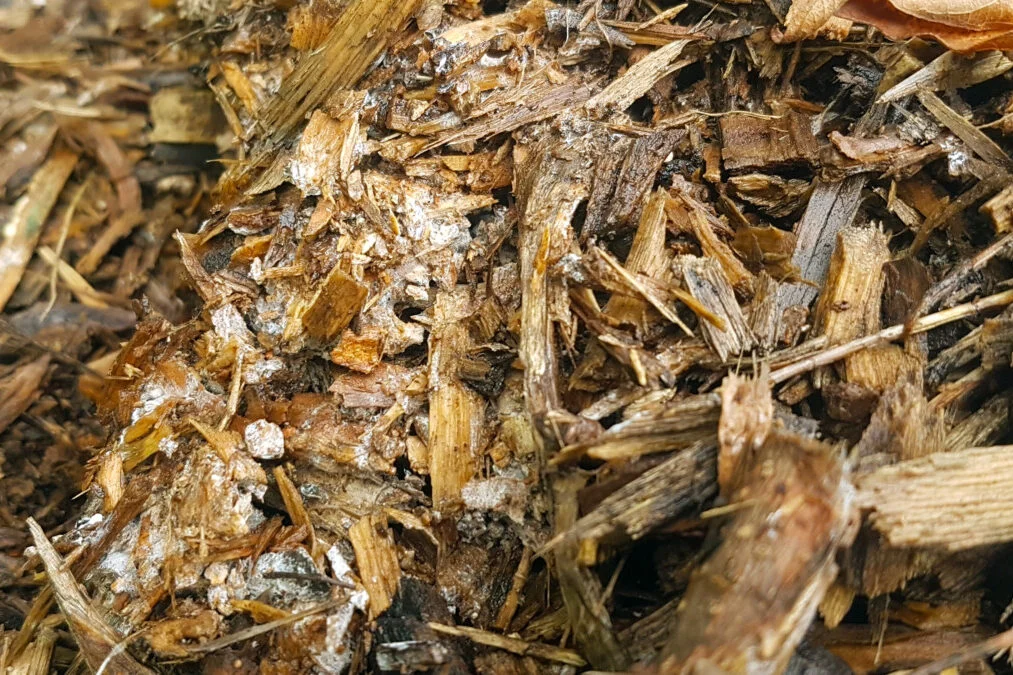
They should sniff near damp garden edges and shaded beds, especially on the southern side of homes in cooler states. White fungal threads are common in decomposing wood products, but persistent sour odours can indicate poor airflow or overwatering.
For wood chips vs mulch, this matters because buyers inherit the underlying conditions. If the garden bed seems constantly wet, they should also look for drainage issues and how close the bed sits to the home.
How much ongoing cost can wood chips vs mulch imply after settlement?
If the garden relies on a thick, fresh layer to look tidy, buyers should assume a recurring top-up cycle. Costs vary by product and delivery, but the bigger factor is volume, access, and how quickly it breaks down on that block.
In a wood chips vs mulch checklist, buyers can estimate garden bed area and ask themselves if they would realistically maintain it. A “cheap” cosmetic layer can become a regular weekend and budget commitment.
What red flags should they treat as negotiation points?
They should note coverage hiding cracked edging, poor drainage, or neglected irrigation. They should also treat timber touching the house, blocked vents, or beds above the damp course as issues worth raising with their building inspector.
In wood chips vs mulch terms, the red flag is rarely the material alone. It is the way it has been used to conceal problems or create moisture and monitoring risks.
What should they do between offer and settlement?
They should arrange building and pest inspections and point inspectors to any areas where coverage meets walls, piers, or subfloor zones. They can also request clarification on termite management systems if the property has them.
If buyers are uncertain about wood chips vs mulch, they can plan a post-settlement tidy-up. That might include pulling material back from the house edge and re-laying at the correct depth.
What quick checklist can they use at an open home?
They can use this short list to stay focused and avoid being distracted by a fresh garden look:
- Is the coverage thick enough, or is soil visible?
- Is it touching walls, piers, weep holes, or vents?
- Does it smell sour or feel waterlogged?
- Are weeds already pushing through?
- Are there runoff tracks on slopes?
- Does it look newly laid only in “hero” areas?
- Is edging intact, or is coverage hiding damage?
- Would they maintain this garden realistically?
This checklist makes wood chips vs mulch a practical inspection tool, not a landscaping debate. The goal is to understand ongoing work, not to judge style.
How should buyers sum up wood chips vs mulch before signing?
They should treat it as a clue about maintenance, moisture control, and how honestly the garden has been presented. If it is well placed, well edged, and kept away from the home, it can signal thoughtful upkeep. If it is used to hide problems or creates damp conditions, it deserves extra scrutiny.
For Australian buyers, understanding wood chips vs mulch is a small step that can prevent surprise costs and reduce risk once the property is theirs.
<script type="application/ld+json">
{
  "@context": "https://schema.org",
  "@type": "BlogPosting",
  "mainEntityOfPage": {
    "@type": "WebPage",
    "@id": "https://billpearnmasonry.com/a-property-buyers-checklist-what-to-know-about-wood-chips-vs-mulch-before-you-sign/"
  },
  "headline": "A Property Buyer's Checklist: What to Know About Wood Chips vs Mulch Before You Sign",
  "image": [
    "https://billpearnmasonry.com/wp-content/uploads/2026/07/Euci-Mulch.webp",
    "https://billpearnmasonry.com/wp-content/uploads/2026/07/img_8313-e1508116656144.jpg",
    "https://billpearnmasonry.com/wp-content/uploads/2026/07/3-Wood-chips-edited.webp"
  ],
  "author": {
    "@type": "",
    "name": "Elijah Wadham",
    "url": "https://billpearnmasonry.com/author/admin/"
  },
  "publisher": {
    "@type": "Organization",
    "name": "Bill PM Buyer Agency",
    "logo": {
      "@type": "ImageObject",
      "url": "https://billpearnmasonry.com/wp-content/uploads/2024/01/logo-bill.png"
    }
  },
  "datePublished": ""
}
</script>