
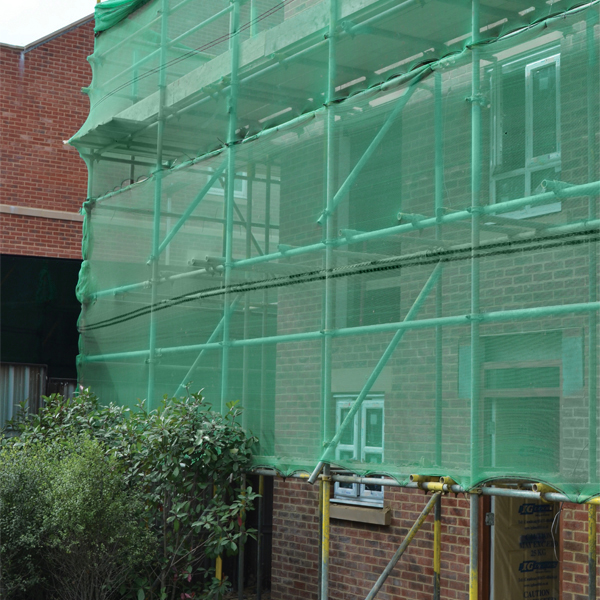
When projects run near footpaths, schools, rail corridors, or neighbouring properties, scaffolding mesh is not a nice-to-have. It is a practical control for debris, dust, and visual screening that affects safety, logistics, and cost from day one.
What do pre-purchase checklists usually miss on Australian building sites?
They often focus on big-ticket items like scaffolding frames, scaffolding mesh, edge protection, and hire periods, while leaving “site containment” vague. That gap shows up when wind exposure, public interfaces, and neighbour complaints suddenly become urgent.
A better checklist treats scaffolding mesh as an early decision because it changes load planning, access design, signage, delivery scheduling, and how the scaffold is tied and maintained.
Why is scaffolding mesh treated like an afterthought in the first place?
It is commonly seen as an accessory rather than part of the control system. Some buyers assume it can be added later without affecting the scaffold design or program.
In practice, scaffolding mesh influences wind loading, fixings, and inspection routines. If it is chosen late, the team may need changes to ties, extra labour, or rushed sourcing when stock is tight.
What risks appear when scaffolding mesh is not planned early?
Debris and dust controls can become reactive instead of designed. That increases the chance of dropped-object incidents, public complaints, and stop-work directions when the site sits close to a public area.
Late selection of scaffolding mesh can also create inconsistent coverage, gaps around loading bays, and rushed installation that is harder to keep taut, secure, and serviceable through the job.
How does scaffolding mesh affect compliance and site safety expectations in Australia?
Australian sites operate under WHS duties to eliminate or minimise risk so far as reasonably practicable. When work is at height, near the public, or generating airborne dust, site teams are expected to plan controls, not improvise them.
Because scaffolding mesh supports containment and separation, many sites treat it as part of the documented approach in SWMS, scaffold handover notes, and ongoing inspection regimes.
What should a “good” pre-purchase checklist include for scaffolding mesh?
It should specify where and why it is needed, not just whether it is needed. A useful line item for scaffolding mesh includes the coverage area, height, lift-by-lift requirements, and interfaces such as gantries, hoists, and loading bays.
It should also note the fixing method, tensioning approach, and whether fire performance, UV durability, or shade factor matters for the work type.
Which project details determine the right scaffolding mesh selection?
Wind exposure and site location are major drivers, especially along coastal NSW, elevated parts of Canberra, or open industrial precincts in WA and SA. The scaffold configuration, tie pattern, and proximity to the public also matter.
Task type matters too. Demolition, rendering, abrasive prep, and painting can all change what scaffolding mesh needs to do, including how it handles dust, overspray, and debris.
How should they compare scaffolding mesh options during procurement?
They should compare performance, not just price per roll. The checklist should prompt them to confirm mesh type, tear resistance, UV rating, and expected life in Australian sun.
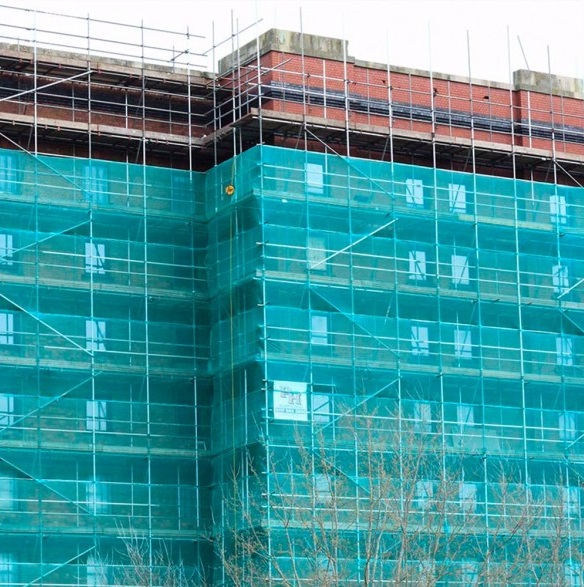
They should also compare ease of installation and maintenance, similar to following a Property Checklist Before Buying, because scaffolding mesh that sags or tears easily costs more in call-backs, retensioning, and replacements than it saves upfront.
What hidden costs show up when scaffolding mesh is bought too late?
Rushed purchasing often narrows choices to whatever is available locally that week. That can lead to mismatched rolls, inconsistent shade factor, and extra waste from poor fit.
Labour costs rise when crews return to retrofit scaffolding mesh, adjust ties, or reconfigure access. Program costs rise if work pauses while containment is made acceptable for nearby pedestrians or neighbours.
How does scaffolding mesh influence access, loading, and daily site operations?
It can change how materials are craned in, how loading bays are used, and where gates and overlaps should sit. If the team wants frequent material movements, they need planned openings, reinforced edges, and a tidy method for temporary removal and reinstatement.
With scaffolding mesh, daily checks also matter. Teams should plan for damage from forklifts, sharp edges, and weather, then include repair materials in the site kit.
When do neighbours, councils, and the public make scaffolding mesh essential?
It becomes essential when the build sits near footpaths, shared driveways, retail strips, or schools. Australian metro projects in Sydney, Melbourne, and Brisbane often face stricter expectations simply because the public interface is constant.
Even on suburban sites, scaffolding mesh helps reduce dust drift, visual impact, and minor debris, which can be the difference between a smooth job and repeated complaints.
What questions should they ask suppliers before committing to scaffolding mesh?
They should ask what the mesh is designed to do, how it should be fixed, and what conditions reduce its service life. They should confirm roll dimensions, overlap guidance, and recommended attachment spacing.
They should also ask about lead times and continuity of supply, because scaffolding mesh consistency matters when the scaffold grows in stages and the finish needs to remain uniform.
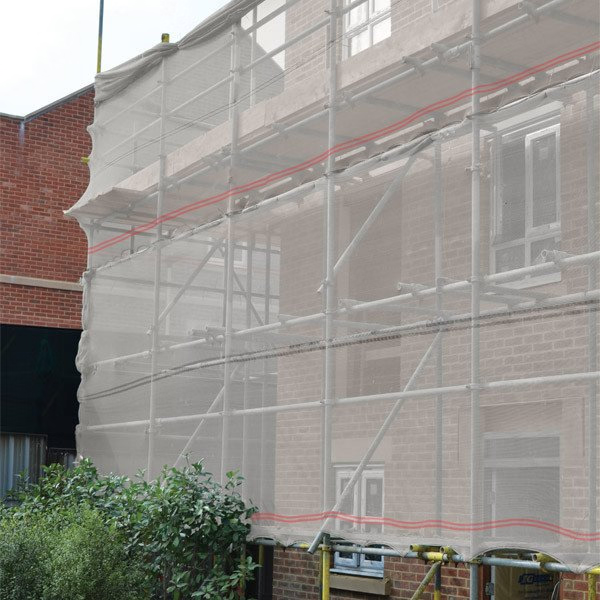
How can they build a simple comparison table that keeps scaffolding mesh visible?
They can add a small section to every scaffold or temporary works purchase checklist titled “Containment and Screening.” It should force a yes or no decision and capture the reason.
A practical table compares: coverage area, wind exposure category, fixing method, UV rating, and inspection frequency. Keeping scaffolding mesh on the same page as ties and handover stops it being forgotten.
What does a better pre-purchase process look like on Australian projects?
It starts with the site constraints, then locks in containment early. The team reviews pedestrian interfaces, adjacent properties, prevailing winds, and the work scope, then chooses controls that suit the risk profile.
In that process, scaffolding mesh is treated as a design input, not an add-on. That reduces variations, improves handover quality, and makes the site easier to run every day.
What is the takeaway for comparing pre-purchase checklists?
The best checklist is the one that prevents last-minute scrambling. If their comparison template does not ask the right questions about containment, it is incomplete.
By treating scaffolding mesh as a first-pass decision, Australian teams can control dust and debris earlier, price the job more accurately, and keep safety and public expectations aligned from the start.
<script type="application/ld+json">
{
  "@context": "https://schema.org",
  "@type": "BlogPosting",
  "mainEntityOfPage": {
    "@type": "WebPage",
    "@id": "https://billpearnmasonry.com/comparing-pre-purchase-checklists-why-scaffolding-mesh-shouldnt-be-an-afterthought/"
  },
  "headline": "Comparing Pre-Purchase Checklists: Why Scaffolding Mesh Shouldn't Be an Afterthought",
  "image": [
    "https://billpearnmasonry.com/wp-content/uploads/2026/07/scaff-green.jpg",
    "https://billpearnmasonry.com/wp-content/uploads/2026/07/Debris-Netting-Green-Main.jpg",
    "https://billpearnmasonry.com/wp-content/uploads/2026/07/Standard-Duty-Fire-Retardant-Debris-Netting.avif"
  ],
  "author": {
    "@type": "",
    "name": "Elijah Wadham",
    "url": "https://billpearnmasonry.com/author/admin/"
  },
  "publisher": {
    "@type": "Organization",
    "name": "Bill PM Buyer Agency",
    "logo": {
      "@type": "ImageObject",
      "url": "https://billpearnmasonry.com/wp-content/uploads/2024/01/logo-bill.png"
    }
  },
  "datePublished": ""
}
</script>