
They can use this guide for routine inspections, pre-sale prep, end of lease checks, or seasonal maintenance in any state or territory.
What is a property checklist and who should use it?
A property checklist is a structured list of items to inspect across a home’s exterior, interior, and safety systems, including features such as a safety strip where required. They should use it if they own, manage, rent out, or regularly maintain a residential property anywhere in Australia.
It works best when they run it on a schedule, document findings, and follow up with receipts, photos, and licensed trade invoices where needed.
What paperwork and quick details should they confirm first?
They should confirm the basics before walking the site: property address, inspection date, who attended, and what areas were accessed. This makes their notes usable if they need to share them with a property manager, insurer, or tradie.
A good property checklist also includes space to record meter reads, warranty details, and any known issues they are monitoring.
What exterior items should be on their checklist?
They should start outside because weather and drainage cause many of the most costly Australian home issues. Their property checklist should cover what is visible and what is likely to fail after storms, heat, or heavy rain.
They can keep it simple by checking left to right around the boundary, then moving inward to the house.
What should they check around fences, gates, and paths?
They should check fences for leaning posts, rot, rusted fasteners, and gaps under panels that can become security or pet issues. Gates should open and latch cleanly, without dragging.
Paths and driveways should be checked for trip hazards, loose pavers, crumbling edges, and drainage that sends water toward the slab.
What should they inspect on the roof, gutters, and downpipes?
They should look for slipped tiles, lifted metal sheets, cracked pointing, and signs of leaks like stained eaves. Gutters should be clear, firmly fixed, and not overflowing after rain.
Downpipes should discharge to appropriate drainage, not directly against footings, and stormwater grates should be free of leaf build-up.
What should they check for drainage, damp, and ventilation outside?
They should check for pooling water, blocked ag drains, damp soil against walls, and garden beds built up above weep holes. Subfloor vents should be clear of mulch and debris.
If they notice persistent damp, mould smells, or bubbling paint, they should plan a licensed inspection rather than guessing.
What should their garden and yard section include?
They should include tree and shrub clearance from roofs and power lines, especially before bushfire season and summer storms. Overhanging branches can damage roofing and clog gutters quickly.
They should also check irrigation leaks, slipping retaining walls, loose paving, and any trip hazards in high traffic areas.
What should they check at entry points and security?
They should confirm doors and windows lock correctly, screens are intact, and seals reduce drafts and water entry. They can also check visibility of house numbers for emergency access.
A property checklist should include checking exterior lighting, sensor lights, and any CCTV or alarm battery status if fitted.
What should they inspect inside each room?
They should use a consistent routine room by room: ceiling, walls, windows, floor, then fittings. This prevents missed issues and keeps records comparable across inspections.
Their property checklist should include notes on moisture, odours, stains, and any movement cracks that look like they are changing over time.
What should they look for in walls, ceilings, and floors?
They should look for water staining, mould, peeling paint, and new cracking near doors and windows. Floors should be checked for soft spots, lifted boards, torn carpet, and slippery surfaces.
If they see widespread cracking, sagging ceilings, or recurring water marks, they should consider a qualified building assessment.
What should they check for doors, windows, and flyscreens?
They should check that doors close without sticking, hinges are secure, and latches align properly. Windows should open smoothly and lock, with no cracked panes or failed seals.
Flyscreens should fit well and be free of tears, which matters in many Australian areas where insects are a year-round issue.
What should be on the kitchen section of the checklist?
They should check cupboards for water damage, hinges, and soft-close function, then confirm benchtops have no swelling at joins. Sinks should drain quickly and show no leaks under the cabinet.
A property checklist should also include checking the rangehood filter, cooktop ignition, oven seals, and that appliances are anchored safely if required.

What should they check in bathrooms, laundry, and wet areas?
They should check silicone seals, grout condition, shower screens, and signs of leaking around vanities and toilet bases as part of a detailed Scaffolding Mesh Inspection Checklist approach to identifying potential issues. Exhaust fans should work and vent effectively, not just make noise.
Laundry taps, hoses, and drainage should be checked for leaks, and they should replace washing machine hoses on a sensible cycle if they show wear.
What should they include for electrical and lighting checks?
They should test that lights, switches, and fans work as intended, and note any flickering that could suggest a fitting or wiring issue. Power points should be secure and not warm to touch.
They should only use licensed electricians for electrical repairs, and their notes should reflect what was observed rather than what they assume.
What should they check for heating, cooling, and ventilation?
They should confirm split systems run in both heating and cooling modes and that filters are clean. Ducted systems should be checked for airflow consistency and unusual smells at start-up.
They should also check ceiling fans for wobble, bathroom and kitchen exhaust performance, and that vents are not blocked by furniture or dust build-up.
What safety items must be included on a property checklist in Australia?
They should treat safety as non-negotiable and record dates, test results, and any immediate actions taken. A safety-focused property checklist helps reduce injury risk and supports compliance expectations.
They should also keep in mind that specific requirements can vary by state, territory, and property type, so local rules matter.
What should they check for smoke alarms and evacuation readiness?
They should test smoke alarms, record the type, and note the expiry date if visible. They should replace units that are out of date or unreliable, following state and territory requirements and using the right alarm type for the location.
They should also check that exits are not obstructed and that keys and locks allow safe egress.
What should they check for slip, trip, and fall hazards?
They should check entrances, bathrooms, stairs, and outdoor paths for surfaces that become slippery when wet. Loose mats, curled carpet edges, uneven pavers, and poor lighting should be flagged.
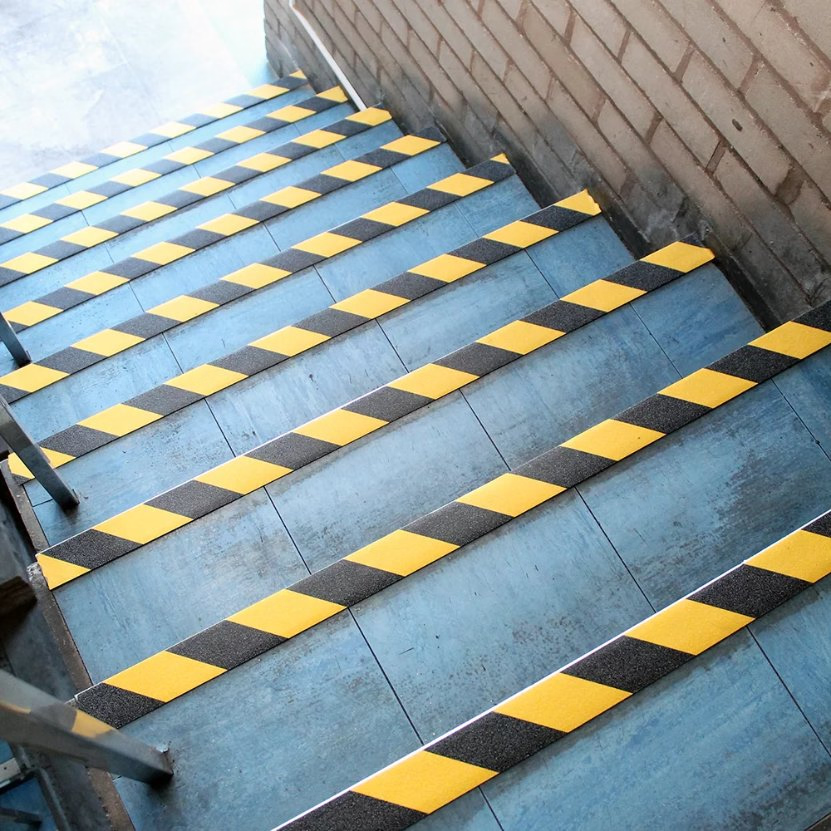
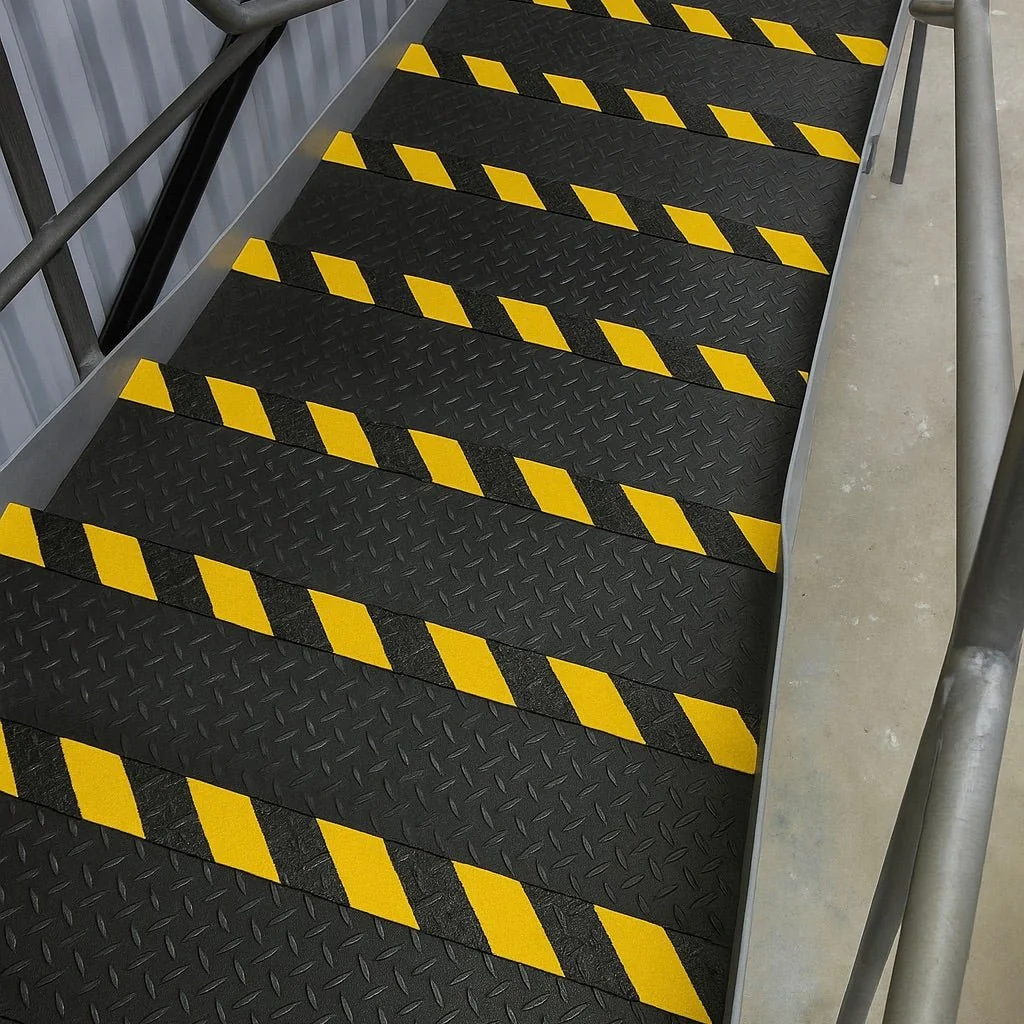
This is where Safety Strip can be practical, especially on steps and transition points that people misjudge at night.
What is Safety Strip and where should they use it?
Safety Strip is an anti-slip strip they can apply to steps, ramps, decks, and other high-risk surfaces to improve grip. It is commonly used on stair nosings, outdoor timber stairs, tiled entries, and areas that get wet in Australian weather.
A property checklist should note where Safety Strip exists, where it is missing, and whether it is lifting, worn, or contaminated by dirt.
What pool and outdoor safety checks should they include?
If there is a pool or spa, they should check fencing, gates, and latching, and ensure nothing nearby can be used for climbing. They should also check CPR signage where required and that the gate self-closes and self-latches.
They should book formal compliance checks with the right local authority process, rather than relying on a visual check alone.
What fire, gas, and carbon monoxide risks should they consider?
They should keep combustibles away from heaters and check for scorch marks or damaged cords. If the home has gas, they should watch for smell, staining near appliances, or pilot issues, and arrange a licensed gasfitter if anything seems off.
If carbon monoxide alarms are installed, they should test them and record their status in the property checklist.
What should be on their tenancy and condition reporting checklist?
They should record cleanliness, damage, and wear and tear with dated photos that match each room. This is useful in Australian rental contexts where condition reports and inspection records can matter.
A property checklist should include notes on fixtures supplied, missing items, and any repairs promised, with clear deadlines and who is responsible.
How often should they run a property checklist?
They should run a property checklist at least seasonally, with extra checks after major storms, heatwaves, or long vacancy periods. Rentals may require routine inspections based on local rules and agreements, so they should align timing to that schedule.
If they are preparing to sell, they can run it monthly in the lead-up to reduce last-minute surprises.
How should they document issues and prioritise repairs?
They should categorise findings into urgent safety issues, water ingress risks, compliance items, and cosmetic maintenance. This helps them book the right trades in the right order, especially where water damage can escalate quickly.
Their property checklist should include a simple action column: fix now, monitor, or quote required, plus target dates and contractor details.
What is a simple property checklist summary they can follow each time?
They can follow a repeatable flow: exterior loop, roofline and drainage, entry and security, then room-by-room interior, then safety systems, then outdoor areas. They should finish by listing top five actions and booking any licensed work.
Used consistently, a property checklist becomes a practical habit that protects the home, the occupants, and their budget.
<script type="application/ld+json">
{
  "@context": "https://schema.org",
  "@type": "BlogPosting",
  "mainEntityOfPage": {
    "@type": "WebPage",
    "@id": "https://billpearnmasonry.com/what-should-be-on-your-property-checklist-including-safety-strip/"
  },
  "headline": "What Should Be on Your Property Checklist? Including Safety Strip",
  "image": [
    "https://billpearnmasonry.com/wp-content/uploads/2026/07/value-pack-deals-grp-stair-step-nosing-cover-anti-slip-treads-heavy-duty-for-high-traffic-areas-hazard-stair-nosing-1x-nosing-hazard-500mm-812301.webp",
    "https://billpearnmasonry.com/wp-content/uploads/2026/07/Strong-Sticky-Adhesive-Anti-Slip-Tape-PVC-Grip-Non-Slip-Tape-for-Wet-Floor-Safety-Walk.avif",
    "https://billpearnmasonry.com/wp-content/uploads/2026/07/ChatGPTImageSep25_2025_12_29_46PM_900x900.webp"
  ],
  "author": {
    "@type": "",
    "name": "Elijah Wadham",
    "url": "https://billpearnmasonry.com/author/admin/"
  },
  "publisher": {
    "@type": "Organization",
    "name": "Bill PM Buyer Agency",
    "logo": {
      "@type": "ImageObject",
      "url": "https://billpearnmasonry.com/wp-content/uploads/2024/01/logo-bill.png"
    }
  },
  "datePublished": ""
}
</script>