
Text: “Concrete work in Australia tends to punish materials. Heat, sudden storms, rough handling on sites, and tight pour schedules all add up. That is why contractors and builders keep coming back to concrete form plywood. But it is not the only option, and sometimes it is not the best one either.
This guide compares concrete form plywood with common alternatives used across Australian residential, commercial, and civil jobs. Not theory. Just what tends to happen on real sites.
What is concrete form plywood, and why is it so common on Australian sites?
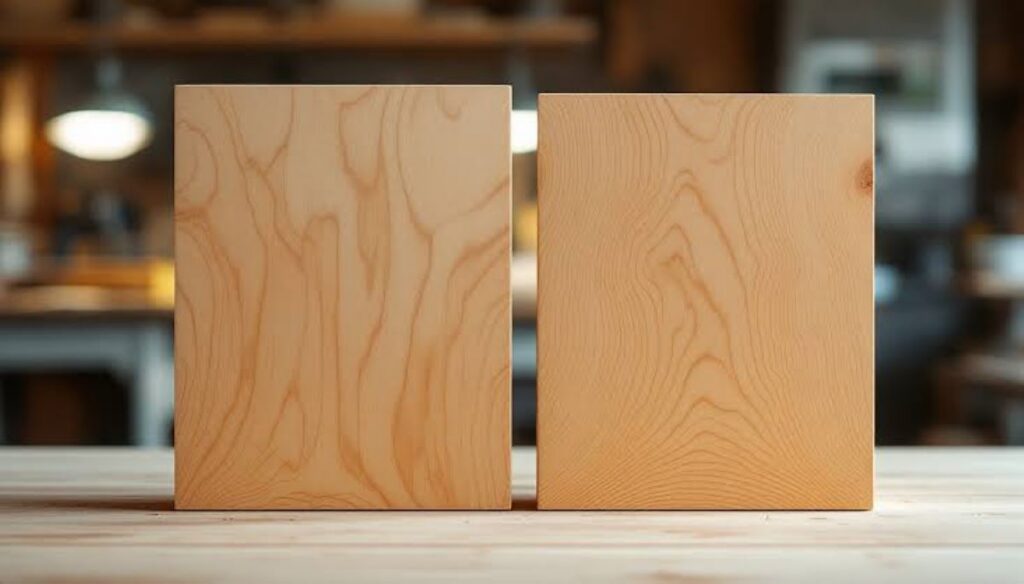
Concrete form plywood is plywood made for forming, usually with a phenolic film face and a glue bond designed to handle wet concrete and repeated use. It is common because it strikes a workable balance between durability, cost, and speed.
On Australian sites, crews like it because it cuts easily, fixes fast, and tolerates a few mistakes. It also suits the reality that not every project has the time or budget for fully engineered formwork systems.
How does concrete form plywood compare on surface finish and concrete quality?
Concrete form plywood usually delivers a smoother, more consistent finish than raw timber boards, especially when the face film is intact. For many slabs, walls, and columns, that means less patching after stripping.
The main catch is wear. Once the film is scratched or the edges swell, the finish drops quickly. On higher spec architectural concrete, contractors often shift to premium film faces or alternative systems to maintain consistency. “
Is concrete form plywood more cost effective than other formwork options?
In many Australian builds, concrete form plywood is cost effective because it is affordable upfront and reusable enough for small to mid-sized jobs. It also reduces labour compared with loose-sawn timber, since sheets cover area quickly.
But the value depends on reuse cycles and handling discipline. If the sheets are left in weather, dragged, or poorly sealed at edges, the cost per pour climbs. The cheapest sheet often ends up being the most expensive.
How does concrete form plywood compare with LVL formwork panels?
LVL panels can be straighter and more dimensionally stable than standard plywood, so they hold line well on long runs. They suit repeatable wall work where bowing becomes obvious and expensive.
That said, concrete form plywood is usually easier to source in a wider range of grades in Australia, and easier to patch or replace sheet by sheet. LVL can win on stiffness, but plywood often wins on flexibility and site practicality.
Should they choose plastic formwork instead of concrete form plywood?
Plastic modular formwork can be great for repetitive pours, especially small walls, pads, and footings with standard dimensions. It is light, easy to clean, and does not rot, which suits coastal work in places like Newcastle or the Sunshine Coast.
Still, concrete form plywood handles custom shapes more easily. When dimensions change daily, plastic systems can slow crews down with too many connectors, infill pieces, and compromises around penetrations.
Is steel formwork better than concrete form plywood for durability?
Steel forms are extremely durable, and on big infrastructure projects they can outperform almost anything on reuse counts. They also hold their shape and can produce consistent finishes when well maintained.
But steel is heavy, needs lifting support, and can be slower to adjust on the fly. For many Australian builders doing mixed scopes, concrete form plywood stays attractive because it can be carried, cut, and fixed with basic tools.
How does aluminium formwork compare with concrete form plywood?
Aluminium formwork is lighter than steel and can be fast on high repetition work, like multi-storey apartments where the same wall and slab geometry repeats floor after floor. It is a common choice for large scale projects in capital cities.
On smaller sites, it can feel like overkill. Concrete form plywood lets crews form irregular details, setdowns, and last minute changes without waiting for proprietary components or redesigning layouts.
What about traditional timber boards as an alternative?
Timber boards remain common for quick, low cost formwork, especially in regional areas where supply is simple and labour knows the method. They can be fine for rough footings and non-exposed faces.
The drawback is time and finish. More joints, more fixing, more chance of grout loss. Concrete form plywood generally forms faster with fewer joints, and typically gives a cleaner result with less blowout risk when installed correctly.
How does concrete form plywood perform in wet weather and Australian conditions?
Australian weather can swing from dry heat to heavy rain fast, and concrete form plywood copes best when edges are sealed and sheets are stored off the ground. Film-faced sheets resist surface moisture, but the edges still matter.
In humid or coastal zones, poor storage leads to swelling and delamination. In hotter inland areas, sheets can dry unevenly if left in full sun, which increases warping. Site habits end up being the deciding factor more than the product label.
How many reuses can they expect from concrete form plywood versus alternatives?
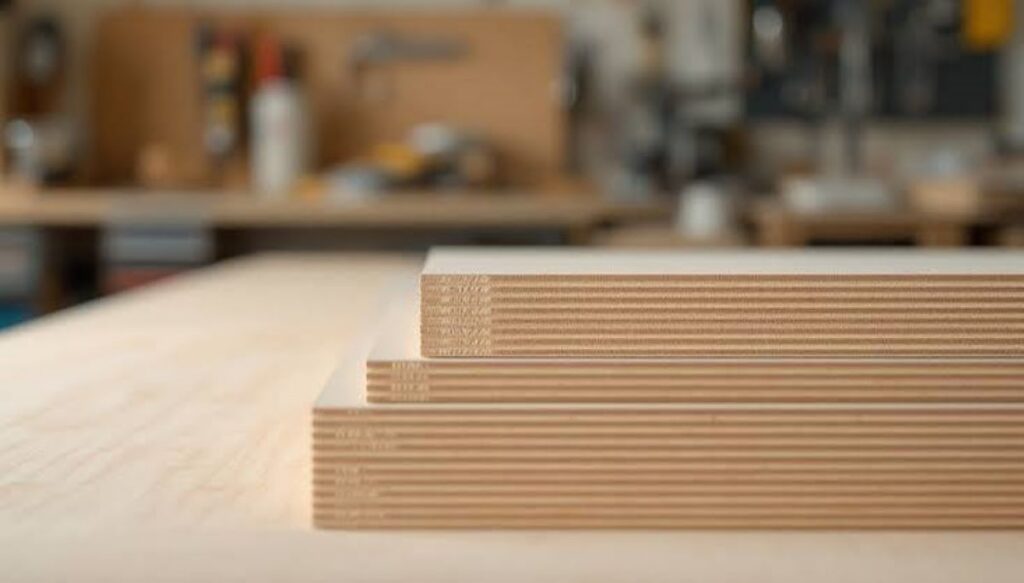
Reuse counts vary wildly, but concrete form plywood often gives a handful to dozens of pours depending on grade, release agent use, edge sealing, stripping care, and how it is stored. Premium film-faced sheets can stretch much further than entry-level options.
Plastic and metal systems can deliver higher reuse counts in stable, repetitive work. But they only pay off when the job actually repeats. For mixed projects, plywood’s moderate reuse with high adaptability can still win.
See Also : How to Store and Handle Formply on Site
Which option is safest and easiest for crews to handle?
Handling affects safety more than people admit. Plastic modules are light. Aluminium is manageable. Steel is heavy and can increase manual handling risks without good lifting plans.
Concrete form plywood sits in the middle. Sheets are heavy enough to require planning but still workable for two-person handling on many tasks. Cutting also creates dust, so proper controls matter, especially on indoor builds and refurbishment sites.
What should they look for when choosing the best formwork material in Australia?
They should match the system to the job’s repetition, finish requirements, labour skill, and lifting capability. If the design changes a lot, flexibility matters more than maximum reuse. If the pour repeats, engineered systems start to dominate.
For many Australian residential and light commercial builds, concrete form plywood is chosen because it balances speed, availability, and acceptable finish. But the decision should still be deliberate, not automatic.
So, when does concrete form plywood make the most sense compared to the alternatives?
Concrete form plywood makes the most sense when the project needs customisation, quick cutting and fixing, and a reliable general purpose finish without investing in a full modular system. It is also a practical choice when supply needs to be fast and local.
Alternatives tend to win when the pour repeats at scale, when lifting gear is always available, or when a specific finish standard is non negotiable. In the end, Australian sites usually pick what keeps pours moving without surprise costs later.
FAQs (Frequently Asked Questions)
What is concrete form plywood and why is it widely used on Australian construction sites?
Concrete form plywood is specially manufactured plywood with a phenolic film face and glue bond designed to withstand wet concrete and repeated use. Its popularity on Australian sites stems from its balance of durability, cost-effectiveness, and ease of use. It cuts easily, fixes quickly, tolerates minor mistakes, and suits projects without the time or budget for fully engineered formwork systems.
How does concrete form plywood affect the surface finish and quality of concrete compared to other materials?
Concrete form plywood typically delivers a smoother and more consistent concrete finish than raw timber boards, especially when the phenolic film face remains intact. This results in less patching after stripping. However, once the film is scratched or edges swell, the finish quality declines rapidly. For high-spec architectural concrete, premium film faces or alternative systems are often preferred to maintain consistency.
Is concrete form plywood a cost-effective choice compared to other formwork options in Australia?
In many Australian building projects, concrete form plywood is cost-effective due to its affordable upfront price and sufficient reusability for small to mid-sized jobs. It reduces labour costs compared to loose-sawn timber by covering large areas quickly. However, its value depends heavily on proper handling and storage; neglect can increase costs per pour, making initially cheaper sheets more expensive over time.
How does concrete form plywood compare with LVL (Laminated Veneer Lumber) panels for formwork?
LVL panels offer greater straightness and dimensional stability than standard plywood, making them ideal for long runs where bowing is an issue, such as repeatable wall work. Conversely, concrete form plywood is more readily available in diverse grades across Australia and easier to patch or replace sheet by sheet. While LVL excels in stiffness, plywood often wins on flexibility and practical usability on-site.
When should plastic or steel formwork be chosen over concrete form plywood?
Plastic modular formwork suits repetitive pours of small walls, pads, and footings with standard dimensions due to its light weight, ease of cleaning, and resistance to rot—ideal for coastal regions like Newcastle or the Sunshine Coast. Steel formwork excels in durability and reuse counts for large infrastructure projects but is heavy and requires lifting equipment. Concrete form plywood remains preferable for mixed scopes needing portability, adaptability, and quick onsite modifications.
How does Australian weather impact the performance of concrete form plywood on-site?
Australian weather extremes—from dry heat to sudden heavy rain—challenge concrete form plywood’s durability. Film-faced sheets resist surface moisture well if edges are properly sealed and sheets stored off the ground. Poor storage leads to swelling and delamination in humid or coastal zones; excessive sun exposure inland causes uneven drying and warping. Ultimately, site handling practices significantly influence performance more than product specifications alone.