

Formply turns up on site looking pretty tough. Then it cops a week of rain, sits on wet ground, gets dragged by a forklift, and suddenly the edges blow out and the faces get scuffed. Most of that damage is avoidable.
This guide covers simple, on-site habits that keep sheets flat, clean, and usable, whether they are working in Brisbane humidity, a windy Perth slab pour, or a cold Canberra winter morning.
What is Formply and why does storage matter on Australian sites?
Formply is a film-faced plywood used for concrete formwork, and it only stays reliable if it is stored dry, flat, and protected. Once water gets into the edges or it cups from poor stacking, performance drops fast.
Australian conditions can be brutal on timber products. Heat, UV, coastal salt air, and sudden storms mean their storage method is not just housekeeping. It is part of quality control.
Where should they store Formply on site?
They should store Formply in a covered, well-drained area, up off the ground, away from traffic and spray zones. If there is a site shed or container, that is usually best.
If it has to sit outdoors, pick high ground and keep it away from curing areas where hoses run. Near the slab edge is convenient, but it is also where water, mud, and forklifts live.
How should they stack Formply to prevent bowing and cupping?
They should stack Formply dead flat on level bearers with evenly spaced supports and a full cover on top. Poor support spacing is a quiet sheet killer.
Bearers should be straight, the same thickness, and placed at consistent centres. Keep the pile square and aligned. If they mix odd sizes, put the biggest sheets at the bottom and keep edges flush.
Should Formply be stored flat or upright?
They should store Formply flat wherever possible, because upright storage increases the chance of bowing and edge damage. Upright is only for short-term handling.
If upright storage is unavoidable, they should support the full sheet height, keep the angle shallow, and avoid leaning on rough walls. It is a “get through the day” method, not a storage plan.
How do they protect Formply from rain and site moisture?
They should protect Formply using a waterproof cover that sheds water, plus a raised base so moisture cannot wick up. A tarp thrown over a pile helps, but only if it is done properly.
Covers should overhang, be tied down, and never allow ponding on top. If water pools, it finds a way in. They should also leave a little ventilation so condensation does not get trapped.
What do they do about sun and UV exposure in Australia?
They should limit UV exposure by keeping Formply under cover and minimising time in direct sun. Australian UV can be harsh, even in cooler months.
The film face takes the hit first. Prolonged exposure can make surfaces chalky and brittle, and it can dry sheets unevenly which encourages cupping. Keep the stack shaded and rotate stock so older sheets get used first.
How should they handle Formply to avoid edge and face damage?
They should lift Formply cleanly, avoid dragging, and keep edges from knocking against concrete, steel, or fork tines. Most site damage is from rushed handling, not weather.
They should carry sheets vertically with two people where possible. If using mechanical handling, use proper tynes support and avoid point loading. The face film does not like gravel, nails, or rebar chairs scraping along it.
Can they store Formply near concrete pours and washout areas?
They should not store Formply near pours, washout, or hose down areas because splash and slurry attack edges and faces. Cement fines get everywhere and they are abrasive.
Even a small amount of slurry on the face can set like sandpaper. Keep stacks away from pump lines, agitator access routes, and wash bays. It saves clean-up time later too.
How do they manage Formply edges and cut surfaces on site?
They should seal cut edges as soon as practical because exposed timber edges soak up water first. It is one of the easiest wins on formwork longevity.
When they cut sheets, they should treat edges with an appropriate edge sealer or paint recommended for formwork products. Pay attention to drilled holes and notches too. Those spots behave like little funnels for moisture. Check out more about Formwork | SafeWork NSW.
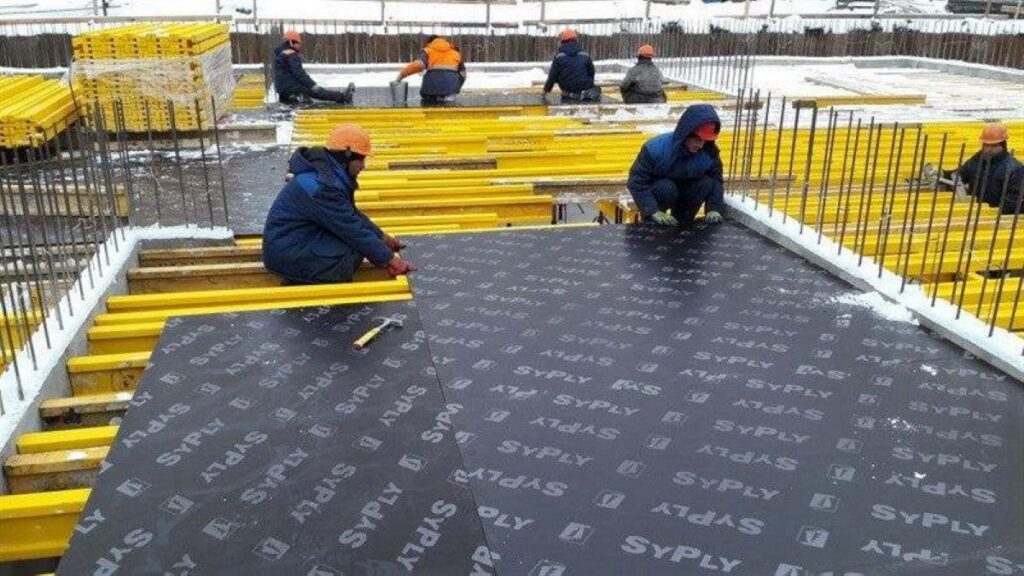
What is the safest way to move Formply around a busy site?
They should plan movements, keep sheets strapped or controlled, and avoid moving Formply through active plant zones. It sounds obvious, but the chaos is where sheets get wrecked.
Use stillages where possible. If they are using forklifts, keep fork spacing wide and support the load evenly. Do not pinch sheets with attachments that bruise the edges unless they are designed for panel handling.
How should they store Formply between uses during a project?
They should restack Formply neatly after stripping, clean it, and keep it covered so it does not sit wet overnight. Wet sheets left in a messy pile are tomorrow’s warped sheets.
A quick routine works. Knock off slurry, check the face, and put damaged sheets aside. Then stack flat with cover. This is where Formply either stays a reusable asset or becomes landfill.
How do they clean Formply without ruining the face film?
They should clean Formply gently, using plastic scrapers and low pressure water, avoiding aggressive grinding or harsh solvents. The film is durable, but not invincible.
Remove concrete while it is still green where possible. If they wait until it fully cures, they tend to use force. And force tends to scratch. Keep the face smooth, because surface damage prints into concrete.
How do they reduce slipping hazards and manual handling risks with Formply?
They should keep Formply stacks tidy, keep walking paths clear, and set lifting rules so sheets are not wrestled in awkward positions. A sheet that slides off a messy pile can do real harm.
They should also store sheets so they can grab them without climbing. In wet weather, film faces can be slippery. Good housekeeping is part safety, part materials protection, and both matter.
How can they tell when Formply has been stored poorly?
They can usually tell by swollen edges, face bubbling, staining, or sheets that no longer sit flat. Once those signs show up, performance is already compromised.
Look for delamination at corners, ripples in the film, and a musty smell from damp storage. If it rocks on a flat surface, it will fight them during setup. That means slower cycles and worse concrete finish.
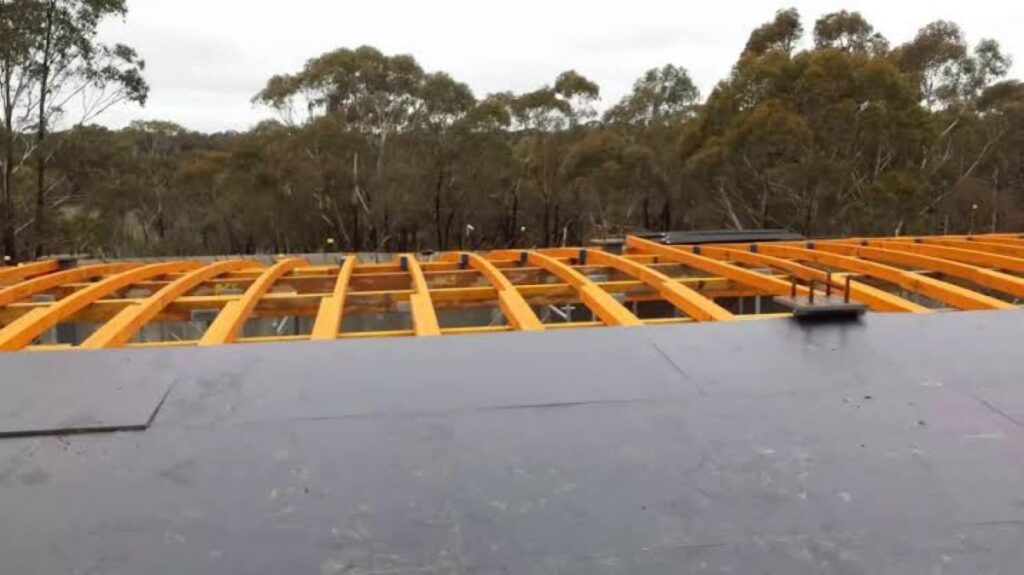
What simple site checklist keeps Formply in good condition?
They should use a basic routine: store it dry, keep it flat, cover it, and handle it carefully every single time. Fancy systems are not required, just consistency.
A practical checklist for Australian sites:
- Store Formply off the ground on level bearers
- Keep Formply under cover or fully waterproofed
- Maintain airflow, avoid condensation traps
- Seal cut edges and damaged corners
- Do not drag sheets across slabs or gravel
- Clean faces early, restack neatly after stripping
- Keep stacks away from hoses, washout, and traffic routes
Done properly, Formply lasts longer, pours look better, and they spend less time patching and replacing sheets mid job.
More to Read : A Practical Guide to F14 Grade Plywood
FAQs (Frequently Asked Questions)
What is Formply and why is proper storage important on Australian construction sites?
Formply is a film-faced plywood used for concrete formwork, and its reliability depends on being stored dry, flat, and protected. Australian environmental conditions like heat, UV exposure, coastal salt air, and sudden storms can severely impact timber products. Proper storage is essential to maintain quality and prevent damage such as edge swelling and cupping.
Where is the best place to store Formply sheets on site to prevent damage?
Formply should be stored in a covered, well-drained area, elevated off the ground and away from traffic zones or areas prone to water spray. Ideally, storing sheets inside a site shed or container is best. If outdoor storage is necessary, select high ground away from curing slabs, hoses, mud, and forklift paths to avoid moisture exposure and physical damage.
How should Formply be stacked to avoid bowing and cupping during storage?
Sheets should be stacked dead flat on level bearers with evenly spaced supports that are straight and consistent in thickness. The pile must be kept square and aligned with edges flush, placing the largest sheets at the bottom when mixing sizes. A full cover on top protects against moisture ingress. Poor support spacing or uneven stacking leads to sheet deformation.
Is it better to store Formply flat or upright on site?
Formply should be stored flat wherever possible because upright storage increases risks of bowing and edge damage. Upright positioning is only suitable for short-term handling during movement. If upright storage cannot be avoided, ensure full sheet height support, keep the angle shallow, and avoid leaning sheets against rough surfaces.
What measures protect Formply from rain, moisture, and UV exposure while stored outdoors?
Use a waterproof cover that effectively sheds water with sufficient overhangs tied down securely to prevent ponding. Elevate the stack on bearers to stop moisture wicking from the ground and allow ventilation beneath covers to reduce condensation buildup. Additionally, keep Formply shaded or under cover as much as possible to minimise harsh Australian UV exposure that can chalk or dry out surfaces unevenly.
How can handling practices reduce edge damage and prolong Formply usability on site?
Handle Formply sheets carefully by lifting cleanly without dragging them across rough surfaces. Carry sheets vertically with two people when possible or use mechanical handling equipment with proper tine spacing for even support. Avoid knocking edges against concrete, steel reinforcement bars, or forklift tines as these cause scuffs and dents that compromise the film face durability.